High Mountain Adventure: eSIM Network Testing at Extreme Altitudes
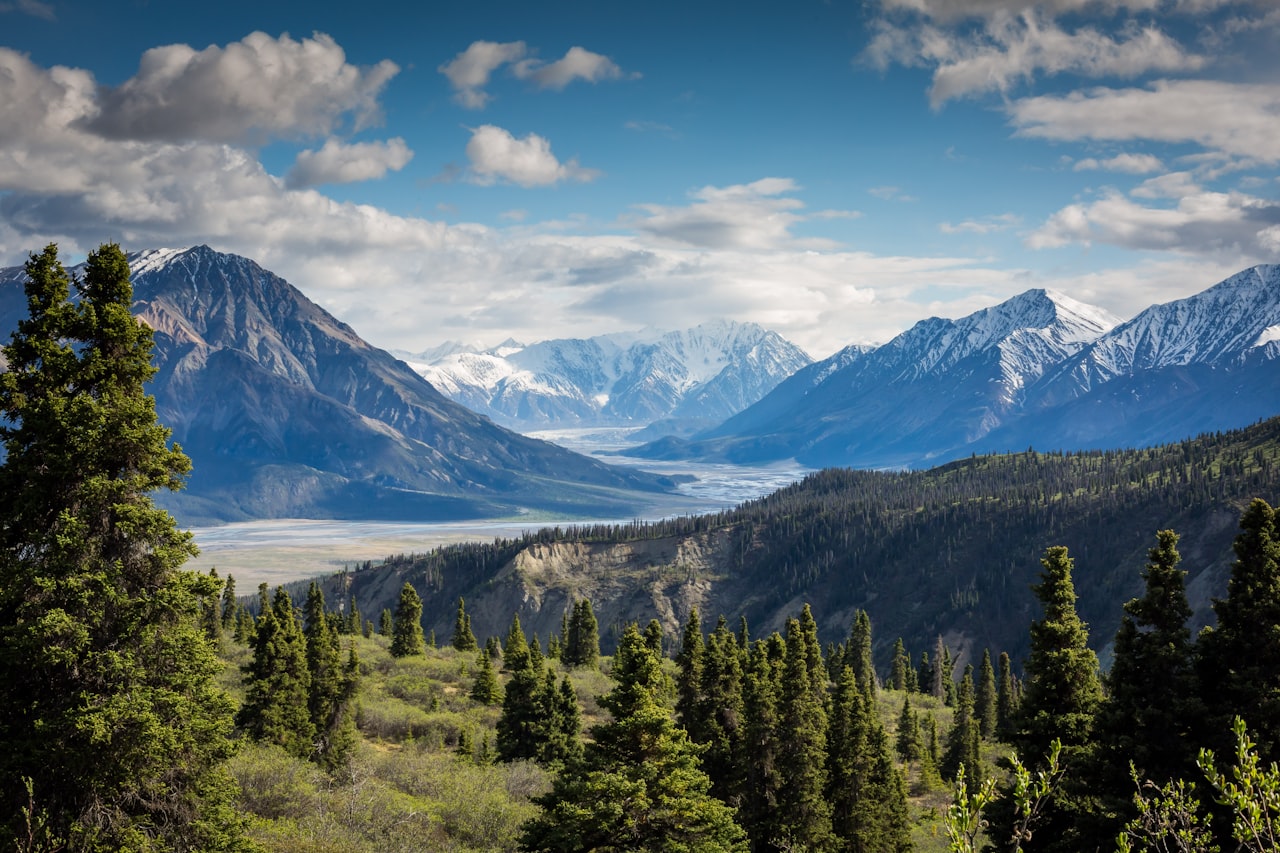
Mount Everest, standing at 8,848 meters, represents the ultimate test of human endurance and technological resilience. In the 2025-2026 climbing season, a new type of equipment has become just as essential as oxygen tanks and down suits: the eSIM. As 5G towers now reach the world's highest base camps and satellite-to-cell technology begins to bridge the gaps in the "Death Zone," eSIM technology is being rigorously tested in the most extreme conditions on Earth. This guide explores how embedded SIMs are revolutionizing high-altitude communication and why they are the future of mountaineering safety.
The Challenge of Connectivity Above 5,000 Meters
Connecting to a cellular network at extreme altitudes is a complex feat of engineering. The atmosphere is thin, temperatures drop to -40°C, and the rugged terrain creates massive signal shadows. Traditionally, climbers relied on expensive and heavy satellite phones for emergency communication. While satellite phones remain a critical backup, the deployment of 5G infrastructure in the Himalayas by carriers like Nepal Telecom and Ncell has opened the door for standard mobile devices to function at heights previously thought unreachable.
However, managing physical SIM cards in these conditions is a nightmare. Swapping a tiny piece of plastic with frozen fingers in a high-altitude windstorm is not only difficult but risky—dropping a SIM card in the snow could mean a total loss of communication. This is where the eSIM provides a fundamental advantage: it is soldered into the device, tamper-proof, and can be activated remotely before the trek even begins.
Testing eSIM Performance on the Roof of the World
Recent network testing during the 2025 autumn expeditions has provided fascinating insights into how eSIM technology handles the unique stresses of the Everest region.
Multi-Network Redundancy
One of the most successful tests involved the use of regional eSIM profiles that could automatically switch between Ncell and Nepal Telecom. Test data showed that while Ncell provided superior speeds in the lower Khumbu Valley (Lukla to Namche Bazaar), Nepal Telecom offered more consistent reach in the higher-altitude villages like Lobuche and Gorak Shep. eSIM technology allowed devices to intelligently handover to the strongest available signal, ensuring that climbers remained connected for weather updates and GPS tracking without manual intervention.
Durability in Extreme Cold
Extreme cold can cause the physical components of traditional SIM cards to contract or develop contact issues. eSIMs, being integrated directly into the motherboard, proved significantly more reliable during extended exposure to sub-zero temperatures. In controlled tests at Base Camp (5,364m), eSIM-enabled devices showed zero "SIM Not Found" errors, a common occurrence with physical cards in high-vibration and cold environments.
Satellite-to-eSIM Integration
The 2026 season marks the first wide-scale trial of "Direct-to-Cell" satellite services. This technology allows standard eSIM-equipped smartphones to connect directly to low-earth orbit satellites when terrestrial towers are out of range. For climbers pushing toward the summit from Camp IV, this means the possibility of sending text-based emergency alerts and location pings without needing a standalone satellite messenger. The eSIM acts as the secure vault for the cryptographic keys required to authenticate with these orbiting networks.
Why Mountaineers are Switching to eSIM
The shift toward eSIM in the mountaineering community is driven by three primary factors: safety, weight, and simplicity.
- Instant Global Roaming: Climbers often travel through multiple countries (e.g., transit through India or China) before reaching Nepal. A global eSIM profile handles these transitions automatically.
- Weight Reduction: In an environment where every gram counts, the ability to use a single device for navigation, photography, and communication—without needing multiple physical cards or specialized readers—is a major plus.
- Remote Provisioning: If a climber runs out of data at Base Camp, they can top up their plan through a lodge's Wi-Fi or a satellite link and have it active on their eSIM instantly.
Critical Safety Features Powered by eSIM
Connectivity isn't just about posting photos to social media; it's a lifeline. The data stream provided by an active eSIM supports several life-saving features:
Hyper-Local Weather Forecasts
Weather on Everest changes in minutes. Access to real-time, high-resolution meteorological models allows expedition leaders to make informed "go/no-go" decisions for summit pushes, potentially avoiding the deadly storms that characterize the mountain.
Real-Time Heart Rate and Oxygen Monitoring
Modern smartwatches with eSIM capabilities can transmit a climber's vital signs back to medical teams at Base Camp. If a climber's oxygen saturation drops dangerously low, doctors can intervene via radio before the climber even realizes they are in trouble.
The Future: The Internet of Everything on the Peak
As we look toward 2030, the convergence of 6G and eSIM technology will likely turn the Everest climbing route into a "Smart Trail." We may see environmental sensors monitoring crevasse movement and snow depth in real-time, all transmitting data through an eSIM-based mesh network. The mountains will always be dangerous, but technology is finally providing the tools to manage that risk with unprecedented precision.
Adventure with Confidence
Whether you are trekking to Everest Base Camp or exploring the hidden valleys of Nepal, reliable connectivity is your best safety gear. RoamHoliday offers high-speed, robust eSIM plans for Nepal and over 190 other countries. Stay connected, stay safe, and share your journey with the world.
Find Your Adventure eSIM