Public Wi-Fi vs. eSIM: Which is Safer for Travelers in 2026?
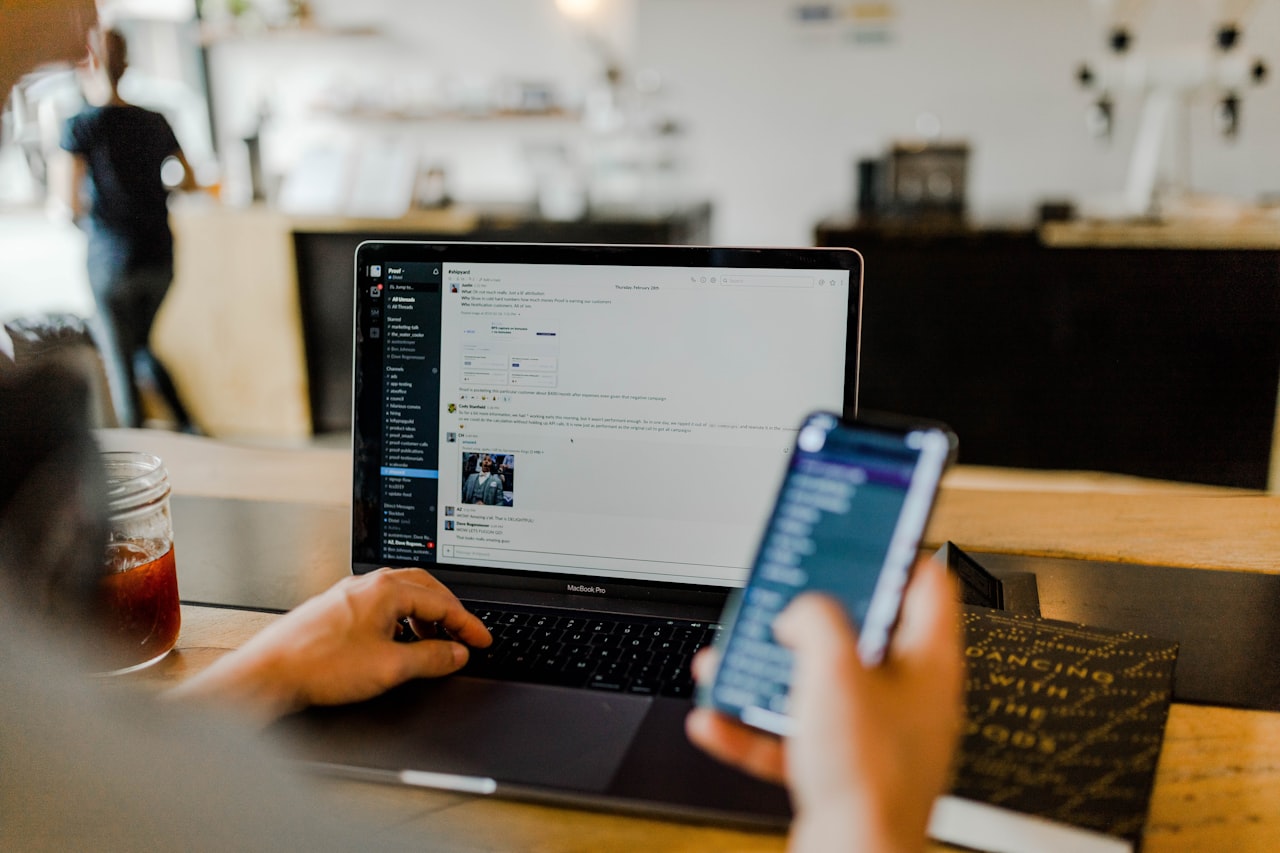
It's a familiar scene: you land in a new country, exhausted and eager to check your messages. You open your Wi-Fi settings and see "Free Airport Wi-Fi." It's tempting, isn't it? But in 2026, connecting to that open network is akin to shouting your credit card number in a crowded room. As cyber threats evolve, the battle between Public Wi-Fi and eSIM technology has a clear winner when it comes to security.
The Honey Pot: Why Public Wi-Fi is a Trap
Public Wi-Fi networks, even those with passwords (like at a coffee shop), are fundamentally insecure. Because the network is shared, it creates an opportunity for "Man-in-the-Middle" (MitM) attacks. A hacker sitting in the same cafe can intercept the data traveling between your device and the router. They can see the websites you visit, the forms you fill out, and potentially grab your login credentials.
Worse still are "Rogue Hotspots" or "Evil Twins." Hackers set up a fake network with a legitimate-sounding name (e.g., "Starbucks_Guest_Free"). When you connect, you are actually routing all your traffic directly through the hacker's device. In 2026, AI-driven tools have made it easier for even novice cybercriminals to launch these attacks at scale.
eSIM: The Fortress in Your Phone
eSIM technology operates on cellular networks (4G LTE and 5G), which are inherently more secure than Wi-Fi. When you use an eSIM, your data is encrypted by the cellular carrier before it even leaves your phone. This encryption is incredibly difficult to crack, making packet sniffing virtually impossible for the average hacker.
Key Security Advantages of eSIM
- Private Connection: Unlike Wi-Fi, you are not sharing a local network with strangers. Your connection is direct to the cell tower.
- Identity Protection: Cellular networks use rigorous authentication protocols to verify your device's identity, preventing spoofing.
- Anti-Theft: Since an eSIM is embedded in the device's motherboard, it cannot be physically removed and put into another phone if your device is stolen, unlike a traditional plastic SIM card.
The "Free" Wi-Fi Cost Fallacy
Many travelers default to Wi-Fi to save money. But is it really free? The potential cost of identity theft, stolen banking information, or compromised business data far outweighs the price of a data plan. In 2026, travel eSIMs have become incredibly affordable, often costing less than a cup of coffee per day for high-speed, secure data.
When Should You Use a VPN?
If you absolutely must use public Wi-Fi (perhaps for a massive download that would eat up your mobile data), a Virtual Private Network (VPN) is non-negotiable. A VPN encrypts your traffic through a tunnel, hiding it from prying eyes on the local network. However, VPNs can slow down your connection and some services block them. With an eSIM, you often don't need a VPN for general browsing because the cellular connection itself provides a high level of security.
Verdict: The Smart Traveler Chose eSIM
In the digital age, security is a necessity, not a luxury. Relying on public Wi-Fi is a gamble with your personal data. eSIM technology offers a seamless, secure, and robust alternative that keeps you connected without the anxiety of being hacked. For the modern traveler, the peace of mind provided by an eSIM is invaluable.
Secure Your Journey
Don't risk your data on open networks. RoamHoliday provides secure, encrypted eSIM data plans for over 190 countries. Connect with confidence and keep your digital life private.
Get Secure eSIM