Iceland Aurora Borealis 2026: eSIM Performance in Polar Environments
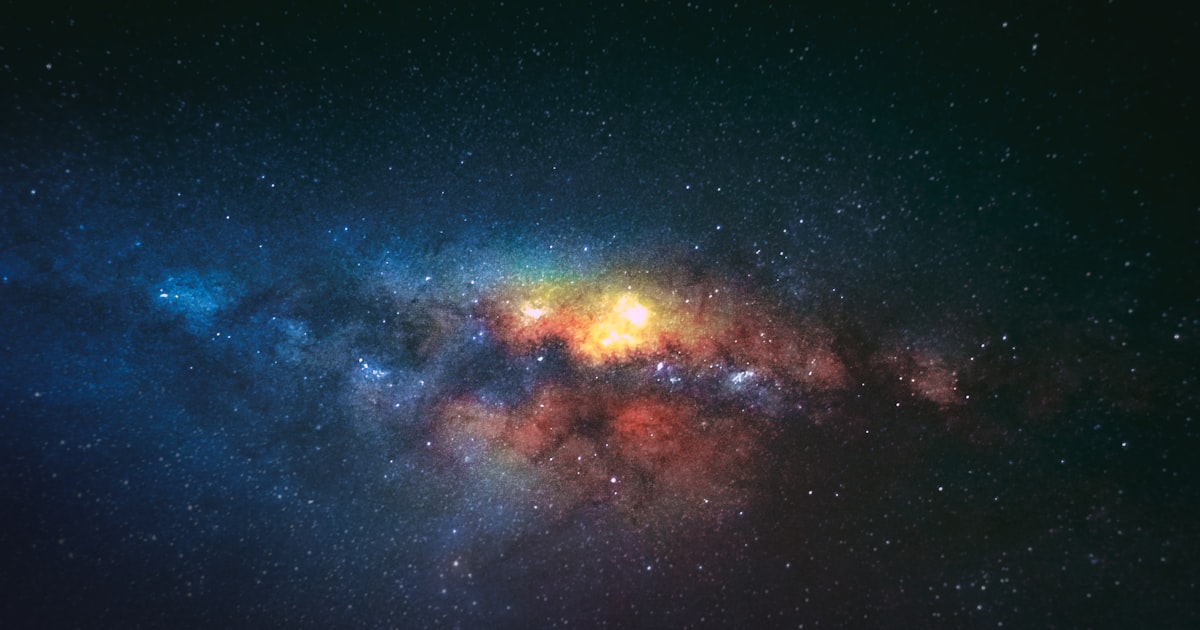
Iceland's aurora borealis season draws travelers from around the world to witness one of nature's most spectacular displays. From September through March, the Northern Lights dance across Iceland's dark skies, creating unforgettable experiences. However, Iceland's polar environment presents unique challenges for mobile connectivity. Understanding how eSIM technology performs in these extreme conditions is essential for planning your 2026 aurora adventure.
Why eSIM is Ideal for Iceland's Polar Environment
Iceland's remote locations and extreme weather conditions make traditional connectivity solutions challenging. eSIM technology offers several advantages for aurora hunters exploring Iceland's vast landscapes.
Unlike physical SIM cards that require airport pickup or advance shipping, eSIM allows instant activation upon arrival at Keflavik Airport. This eliminates the need to wait in queues or search for SIM card vendors, especially valuable during peak aurora season when time is precious. You can purchase and configure your eSIM before departure, ensuring immediate connectivity the moment you land.
eSIM technology also provides flexibility to switch between plans or carriers without physical card changes. This is particularly useful in Iceland, where different carriers may offer varying coverage in remote aurora viewing locations.
Network Coverage Across Iceland's Aurora Regions
Iceland's telecommunications infrastructure is robust, with extensive 4G coverage and growing 5G networks. Major carriers including Nova, Síminn, and Vodafone provide comprehensive coverage across most of the country, including popular aurora viewing destinations.
Reykjavik and Golden Circle
The capital region and Golden Circle route offer excellent network coverage with strong 4G and 5G signals. Popular aurora viewing spots near Reykjavik, including Thingvellir National Park and the Blue Lagoon area, maintain reliable connectivity for navigation, weather updates, and sharing your Northern Lights experience.
Urban areas benefit from multiple carrier networks, ensuring consistent service even during peak tourist seasons. Most eSIM plans provide access to all major Icelandic carriers, automatically connecting to the strongest available signal.
Remote Aurora Viewing Locations
Many of Iceland's best aurora viewing locations are in remote areas with limited infrastructure. Regions like the Westfjords, East Iceland, and northern areas around Akureyri may experience weaker signals in isolated spots. However, major carriers maintain coverage along main roads and in populated areas.
When selecting an eSIM plan, verify that it includes access to multiple Icelandic carriers. This ensures the best possible coverage when venturing into remote locations. While 5G coverage is expanding in urban areas, 4G LTE remains the standard in rural regions and provides sufficient speed for essential travel needs.
Challenges of Polar Environment Connectivity
Iceland's polar environment presents unique challenges for mobile connectivity that travelers should understand before their aurora adventure.
Extreme Weather Conditions
Iceland's winter weather can impact network performance. Heavy snow, strong winds, and freezing temperatures may occasionally affect signal strength in remote areas. However, Iceland's telecommunications infrastructure is designed to withstand these conditions, and service interruptions are rare.
Most network issues occur in extremely isolated locations far from main roads. Staying on designated routes and near populated areas ensures reliable connectivity throughout your journey.
Remote Location Challenges
Some of Iceland's most spectacular aurora viewing spots are located in areas with limited cell tower coverage. While major carriers maintain extensive networks, complete coverage in every remote location is not guaranteed.
Planning ahead by downloading offline maps, weather apps, and navigation tools helps ensure you can navigate even when connectivity is limited. Many aurora tour operators also provide Wi-Fi hotspots for their groups.
Choosing the Right eSIM Plan for Your Aurora Adventure
Aurora hunting in Iceland typically involves trips ranging from 5 to 14 days, depending on your itinerary and weather conditions. Consider these factors when selecting your eSIM plan:
Data Requirements
Aurora photography and video sharing require significant data usage. Consider your typical usage patterns when selecting a plan:
- Navigation apps consume 50-100MB per hour of active use
- High-resolution photo and video uploads require substantial bandwidth
- Live streaming aurora displays increases data needs significantly
- Weather apps and aurora forecast services require constant connectivity
- Social media sharing of Northern Lights experiences consumes additional data
For a 7-10 day trip, consider plans with at least 10-15GB of data. For longer stays or heavy usage, unlimited data plans provide peace of mind without worrying about data limits during your aurora adventure.
Network Speed Considerations
5G plans offer faster speeds in Reykjavik and major urban areas, ideal for quick photo uploads and live streaming. However, 4G LTE plans provide excellent performance for most travel needs and offer broader coverage in rural and remote areas where aurora viewing often occurs.
If your itinerary focuses on Reykjavik and the Golden Circle, 5G plans enhance your experience. For extended road trips to remote aurora viewing locations, 4G LTE plans often provide more reliable connectivity across Iceland's diverse landscapes.
Best Practices for eSIM During Aurora Season
Peak aurora season from September through March brings increased tourist traffic to Iceland. Follow these practices to ensure optimal connectivity during your Northern Lights adventure:
- Activate your eSIM before arriving at remote viewing locations to avoid connection delays
- Download offline maps and navigation apps before departure to reduce data usage
- Use Wi-Fi when available at hotels and restaurants to conserve mobile data
- Enable data roaming only when needed to prevent accidental early activation
- Monitor data usage through your device settings to avoid unexpected slowdowns
- Carry a portable power bank to ensure your device stays charged during long aurora viewing sessions
Device Compatibility and Setup
Most modern smartphones support eSIM functionality, including iPhone XS and newer models, Google Pixel 3 and later, and Samsung Galaxy S20 series and beyond. Before purchasing, verify your device's eSIM compatibility by checking for an EID number in your device settings.
Setup is straightforward: purchase your eSIM plan online, receive the activation QR code via email, and scan it in your device settings. The entire process takes less than five minutes and can be completed before departure or immediately upon arrival at Keflavik Airport.
For aurora photography, ensure your device is fully charged and consider bringing a portable charger, as cold temperatures can drain battery life more quickly. Many aurora viewing locations require extended waiting periods in cold conditions.
Aurora Season Timing and Network Planning
Aurora season in Iceland runs from September through March, with peak viewing opportunities from October through February. Plan your eSIM activation to align with your travel dates, as most plans start counting from first connection to local networks.
Weather conditions can extend trips unexpectedly, so consider plans with longer validity periods or buffer time. This ensures continuous connectivity even if your aurora adventure extends beyond your original itinerary.
Ready to Experience Iceland's Northern Lights?
Choose the perfect eSIM plan for your 2026 aurora borealis adventure. Stay connected with reliable 4G and 5G coverage across Iceland's most spectacular Northern Lights viewing destinations.
View Iceland eSIM Plans