Japan Cherry Blossom & Autumn Leaves Travel: Complete eSIM Network Coverage Guide
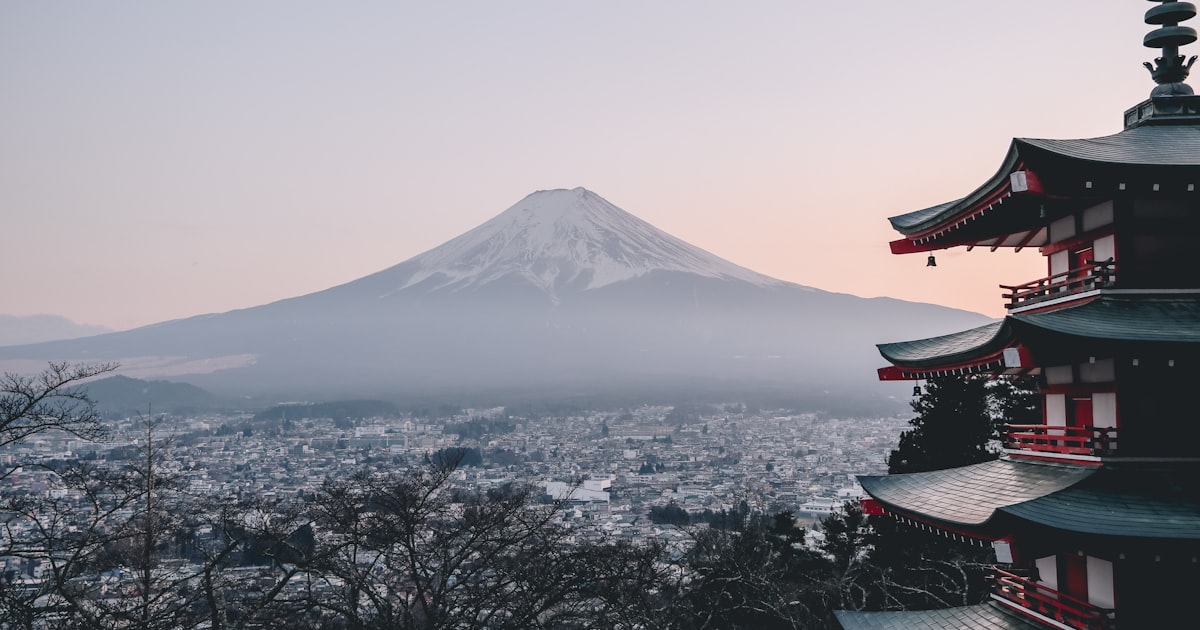
Japan's cherry blossom season in spring and autumn foliage season offer some of the world's most breathtaking natural spectacles. From late March to early May, sakura blooms transform cities into pink wonderlands, while September through November brings vibrant red and gold autumn leaves across mountain regions. Whether you're chasing the perfect sakura viewing spot or exploring remote mountain temples during koyo season, reliable internet connectivity is essential for navigation, real-time weather updates, and sharing your journey.
Why eSIM is Essential for Seasonal Travel
Japan's seasonal attractions often take travelers to remote locations where traditional connectivity solutions fall short. eSIM technology provides seamless connectivity across Japan's diverse landscapes, from urban cherry blossom viewing spots to mountain autumn foliage destinations.
Unlike physical SIM cards that require airport pickup or advance shipping, eSIM allows instant activation upon arrival. This is particularly valuable during peak seasons when time is precious and queues are long. You can purchase and configure your eSIM before departure, ensuring immediate connectivity the moment you land.
Network Coverage Across Japan's Seasonal Destinations
Japan's major carriers—NTT Docomo, SoftBank, and KDDI—provide extensive coverage across the country. Understanding network performance in different regions helps you choose the right eSIM plan for your seasonal travel itinerary.
Urban Cherry Blossom Viewing Areas
Major cities like Tokyo, Kyoto, and Osaka offer excellent 4G and 5G coverage. Popular sakura spots including Ueno Park, Philosopher's Path, and Maruyama Park have strong signal strength, supporting high-speed data for live streaming and social media sharing.
Urban areas benefit from multiple carrier networks, ensuring reliable connectivity even during peak viewing times when thousands of visitors gather. Most eSIM plans provide access to all major carriers, automatically connecting to the strongest available signal.
Mountain and Rural Autumn Foliage Regions
Autumn foliage viewing often takes travelers to mountainous regions like Nikko, Hakone, and the Japanese Alps. These areas require more robust network coverage, and NTT Docomo typically provides the most extensive reach in rural and mountainous terrain.
When selecting an eSIM plan, verify that it includes NTT Docomo network access for optimal coverage in remote locations. While 5G coverage is expanding, 4G LTE remains the standard in mountain regions and provides sufficient speed for navigation and communication.
Choosing the Right eSIM Plan for Seasonal Travel
Seasonal travel in Japan typically ranges from 7 to 14 days, depending on whether you're focusing on cherry blossoms or autumn leaves, or combining both seasons. Consider these factors when selecting your eSIM plan:
Data Requirements
Seasonal travel involves extensive photo and video sharing, real-time navigation, weather app usage, and social media updates. Plan for higher data consumption than typical travel:
- Navigation apps consume 50-100MB per hour of active use
- Photo and video uploads require significant bandwidth
- Live streaming cherry blossom or autumn foliage views increases data needs
- Translation apps and travel guides require constant connectivity
For a 7-10 day trip, consider plans with at least 10-15GB of data. For longer stays or heavy usage, unlimited data plans provide peace of mind without worrying about data limits.
Network Speed Considerations
5G plans offer faster speeds in urban areas, ideal for quick photo uploads and live streaming. However, 4G LTE plans provide excellent performance for most travel needs and offer broader coverage in rural areas.
If your itinerary focuses on major cities and popular viewing spots, 5G plans enhance your experience. For mountain autumn foliage viewing, 4G LTE plans often provide more reliable connectivity.
Best Practices for eSIM During Peak Seasons
Peak cherry blossom and autumn foliage seasons bring millions of visitors to Japan, creating network congestion in popular areas. Follow these practices to ensure optimal connectivity:
- Activate your eSIM before arriving at crowded viewing spots to avoid connection delays
- Download offline maps and translation apps before departure to reduce data usage
- Use Wi-Fi when available at hotels and restaurants to conserve mobile data
- Enable data roaming only when needed to prevent accidental early activation
- Monitor data usage through your device settings to avoid unexpected slowdowns
Device Compatibility and Setup
Most modern smartphones support eSIM functionality, including iPhone XS and newer models, Google Pixel 3 and later, and Samsung Galaxy S20 series and beyond. Before purchasing, verify your device's eSIM compatibility by checking for an EID number in your device settings.
Setup is straightforward: purchase your eSIM plan online, receive the activation QR code via email, and scan it in your device settings. The entire process takes less than five minutes and can be completed before departure or immediately upon arrival.
Seasonal Timing and Network Planning
Cherry blossom season varies by region, typically starting in late March in southern Japan and progressing northward through May. Autumn foliage begins in September in Hokkaido and moves south through November. Plan your eSIM activation to align with your travel dates, as most plans start counting from first connection to local networks.
For multi-season travel covering both cherry blossoms and autumn leaves, consider longer-duration plans or multiple shorter plans to ensure continuous connectivity throughout your journey.
Ready to Experience Japan's Seasonal Beauty?
Choose the perfect eSIM plan for your cherry blossom or autumn leaves adventure. Stay connected with reliable 4G and 5G coverage across Japan's most beautiful seasonal destinations.
View Japan eSIM Plans